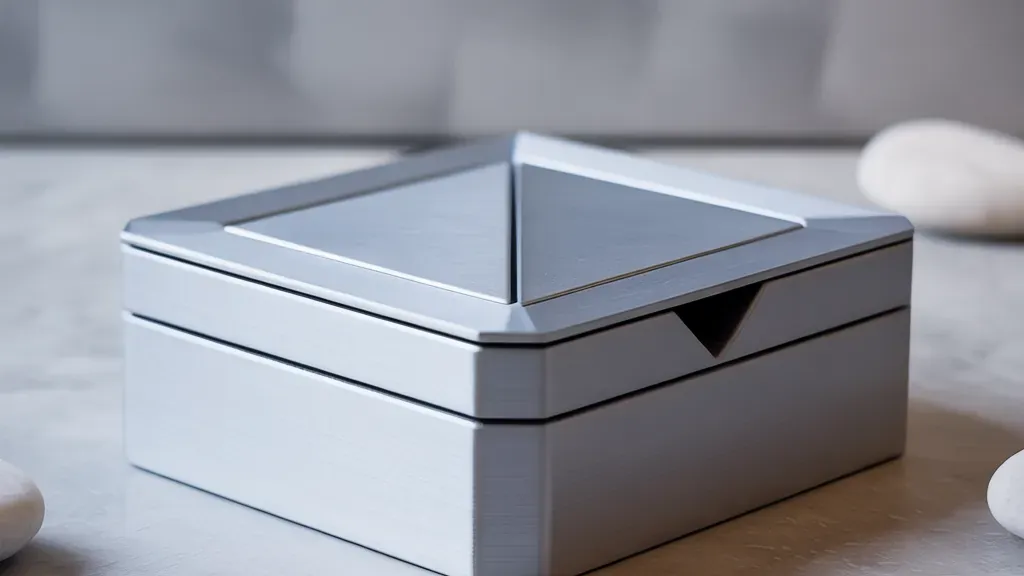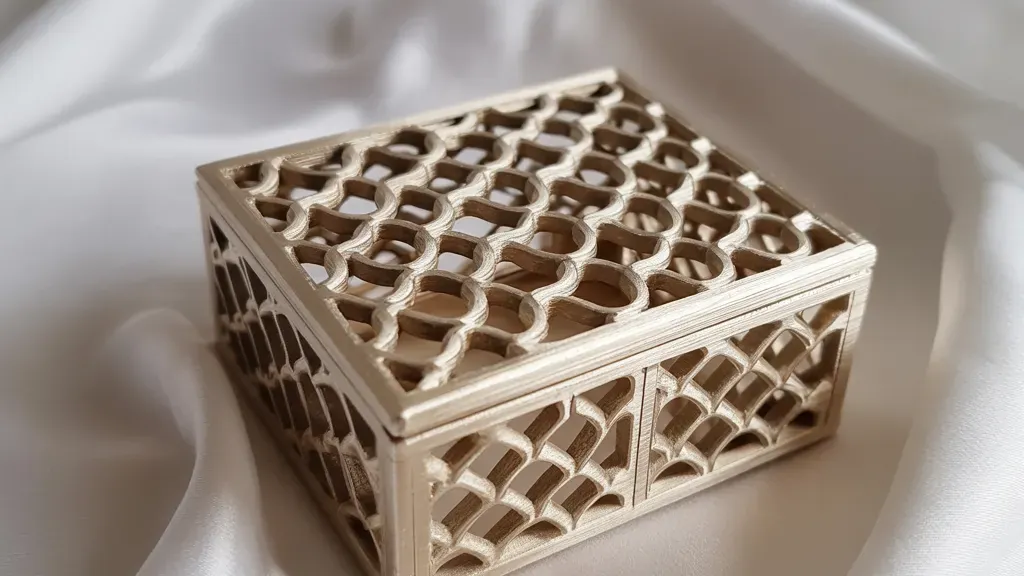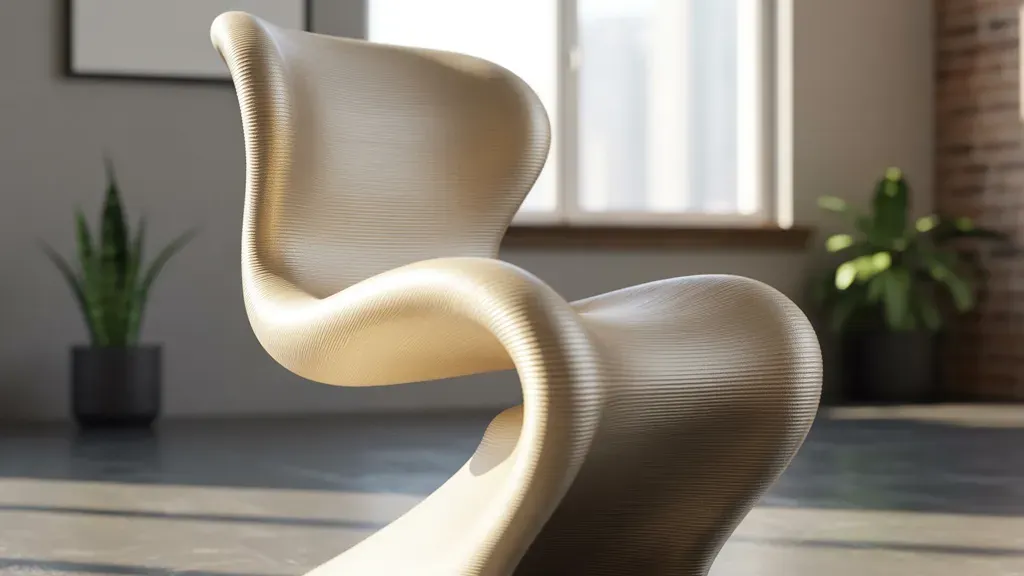
3D printed product replicas for launches and photoshoots
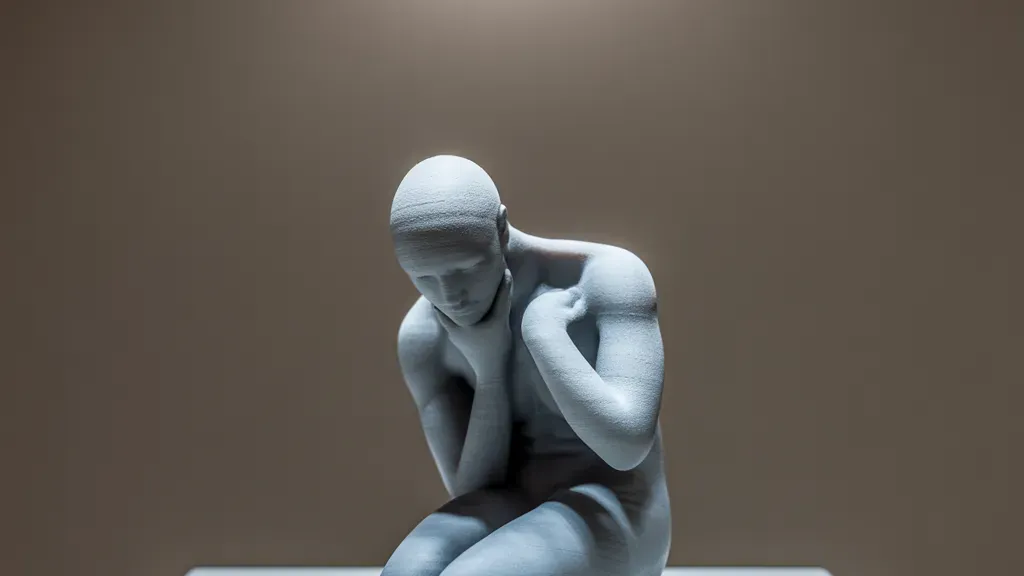
A 3D printed product replica is a physical copy of your product, printed and finished so it reads correctly in front of a camera or on a stand, usually before the real product exists. We print them in Dubai for launches and press days: the hero bottle, the oversized copy of it, the dummy pack that will never hold anything, six identical units for one campaign.
The file is normally the same CAD your factory will work from, or the designer's render model with the holes closed. What changes is everything after printing. A part for a fit check can leave the workshop with its layer lines showing. Something that will be shot at 300 mm with a macro lens keeps going through sanding, primer and paint until the surface stops reporting how it was made.
We print and finish the object; the photographer and your team run the shoot. If what you need is a trial bottle or cap to check threads and feel in the hand before tooling, that is a different job with tighter tolerances, covered in packaging prototypes before tooling.
Why a physical replica when the 3D render already exists
A render lives inside the pipeline that made it. Change the light and you are back with the CGI artist. A printed replica sits on a table, and any photographer can light it, re-light it tomorrow or hand it to a model. Real surfaces behave on their own: highlights bend around a shoulder radius, a contact shadow appears where the object meets the paper, and a model holds a 400 g object differently from a 4 kg one.
Usually it is timing that decides. The mould is still being cut, factory samples are five weeks out, campaign images are due in two. Printed product samples for marketing only have to read as the product and survive being picked up, which frees us to spend the effort on the surface.
FDM or SLA for a product replica that goes in front of a camera
Start from the closest camera distance. Everything else follows from that number.
FDM prints in layers, typically 0.1 to 0.3 mm with 0.2 mm as the everyday setting, and the visible cost is the step effect on shallow surfaces. At 0.2 mm, a surface sloping 10 degrees from horizontal shows treads about 1.1 mm wide; at 30 degrees the same layer gives roughly 0.35 mm; near vertical the ridges nearly vanish. Domed shoulders and soft cap tops are where this lands, so orientation on the build plate gets decided part by part.
Put a number on what the camera sees. Shoot a 100 mm wide object so it fills a 6,000 px frame and each pixel covers about 0.017 mm, which puts a 0.2 mm FDM ridge across twelve pixels. The same frame lands a 0.05 mm SLA layer line on three pixels, and primer takes it away.
SLA runs 0.025 to 0.05 mm layers and holds crisp edges and fine engraving, so caps and embossed emblems often come off a resin machine while the 350 mm body comes off FDM. Resin is brittle, a slim stem can snap on set, and resin build volumes are small, so a tall hero piece gets split too. Clear resin yellows in direct sun, which matters for a window that holds it for a month.
Heat is a real constraint here. PLA softens from around 60 degrees, PETG holds to roughly 68 to 74, and ASA takes UV better than ABS. A replica riding in a car boot in July should not be PLA just because PLA sands nicely.
Oversized product replica 3D printing in Dubai: when a 70 mm bottle becomes 700 mm
We print from about 5 cm up to constructions around 15 m, and anything larger than the build chamber goes out in sections and comes back as one object. Sectioning is routine. Scaling is what catches designers out.
Take that 70 mm perfume bottle at ten times size. Surface area multiplies by a hundred, volume by a thousand, and every detail scales with it. A 0.3 mm engraved logo line becomes a 3 mm trench; a 0.5 mm edge fillet becomes a 5 mm roll that changes the silhouette. The shell gets re-authored rather than scaled: constant wall thickness, engraving depth chosen for the new size, fillets brought back to what the eye expects.
Weight changes character too. A solid cylinder a metre tall and 300 mm across holds about 70,700 cm³ of material, close to 88 kg in PLA. The same form as a 3 mm hollow shell is roughly 3,250 cm³, around 4 kg, and six or seven kilos once ribs, adhesive and an internal aluminium profile spine are in. Ballast at the base keeps it from tipping when a light stand leans on it.
Joints follow a line the design already has, a shoulder or the underside of a cap, not the place the printer ran out of room. Registration pins printed into the mating faces hold the halves while the adhesive sets. Z is the weak axis in FDM, and a glued seam across a curve is the first thing a drop test finds.
Surface and colour: what makes a replica ready for the shot
Primer is the honest step. Matte grey kills the highlights that were hiding the scratches, and what is left becomes visible. A display piece typically takes three or four rounds of filler primer and sanding, and a long curved sweep sometimes more, because the eye follows the reflection and finds every dip.
Matte or satin is the default for stands and most sets. Gloss is a choice with a price: it reports every remaining ridge, so the sanding cycles multiply before anything gets sprayed.
Brand colour needs a conversation before paint is mixed. Pantone and RAL references in plastic and in paint are approximations rather than certified matches, and two surfaces that agree under workshop light can disagree under a strobe. We check the mixed colour under the light the piece will actually meet. Whether colour belongs in the material or in the paint is its own decision, covered in printed colour versus painted colour.
Labels come from your print supplier. A product packaging mock-up we 3D print for a window or a stand is a hollow dummy carrying your artwork, so what we hand over is a true, flat surface for the vinyl: a label on a wavy panel shows the wave. Pieces are packed after the paint cures, usually a day or two, since fresh paint takes fingerprints.
A batch of identical copies for one campaign
Printing repeats well. Finishing is where copies drift, because sanding is done by hand.
- One machine, one slicer profile, one orientation for every copy. Moving a part to a second printer to save a day is how a batch stops matching.
- One filament lot. Spools of the same nominal brand colour differ between batches, which is another reason a camera batch gets painted rather than printed in colour.
- One spray session, one mixed batch of paint, all copies together.
- An assembly jig, so the seam lands in the same place on copy six as on copy one.
- Spares: for six finished pieces we print seven or eight shells, because one will pick up a scuff in finishing.
Before anything ships the copies get lined up under raking light and compared. One that does not match goes back.
What moves the number on a replica quote
Each job is quoted after we see the file, a sketch or a description. What moves the figure is print volume and size, part count, the technology mix, layer height, support removal and repair, finish level from raw through matte paint to brand-matched gloss, assembly on sectioned pieces, and how close the deadline sits.
Ten copies do not cost a tenth each. Print time scales almost linearly and hand finishing scales fully, so only file preparation and paint mixing get shared across a batch.
Counting back from the shoot date
Count back from the shoot day rather than from the launch date. Paint cure and packing come off the end first, typically a day or two. Finishing usually takes longer than the printing did, especially on a sectioned piece where seams need filling. File repair sits at the front, and a model exported for rendering rather than printing can cost a day on its own.
Dubai has a season that compresses all of it. The weeks before Gulfood in February, and the autumn run of Gitex, Dubai Design Week and Big 5, are when every workshop in the city is full. Lead times in those windows depend on what is already on the machines, so a replica for a February stand is a November conversation. Send the file, the shoot date and the closest camera distance through the form or WhatsApp and we will say what is realistic.
FAQ
How long does a 3D printed product replica take?
It depends on size, part count and finish level. Printing is the predictable part; sanding, priming and painting usually take longer, and a sectioned piece adds assembly and adhesive cure. Send the file and the shoot date and we will work the calendar backwards.
Can you print several identical copies for a campaign?
Yes, and it is a different job from printing one. The batch stays on one machine with one profile and one filament lot, then gets sprayed in a single session from one mixed batch of paint. We print spare shells, because damage to one copy should not reset the batch.
Which material suits a replica that goes in front of a camera?
For most hero pieces, PETG or ABS on FDM, primed and painted, with resin for caps, emblems and fine engraving. PLA sands beautifully but softens from around 60 degrees, so it is a poor choice for a sunlit courtyard or a closed car.
How big can an oversized 3D printed product replica be in Dubai?
From roughly 5 cm up to constructions around 15 m. Anything bigger than the build chamber is printed in sections, assembled and finished as one object, with an internal frame taking the load on tall pieces. Tell us the door width at the venue before the model is scaled.